 English
 Español
 中文
中文Noticias
INICIO / Noticias / Noticias de la industria / Cómo medir el tamaño de la tubería de cobre: diámetro exterior nominal, espesor de pared, tipos K/L/M
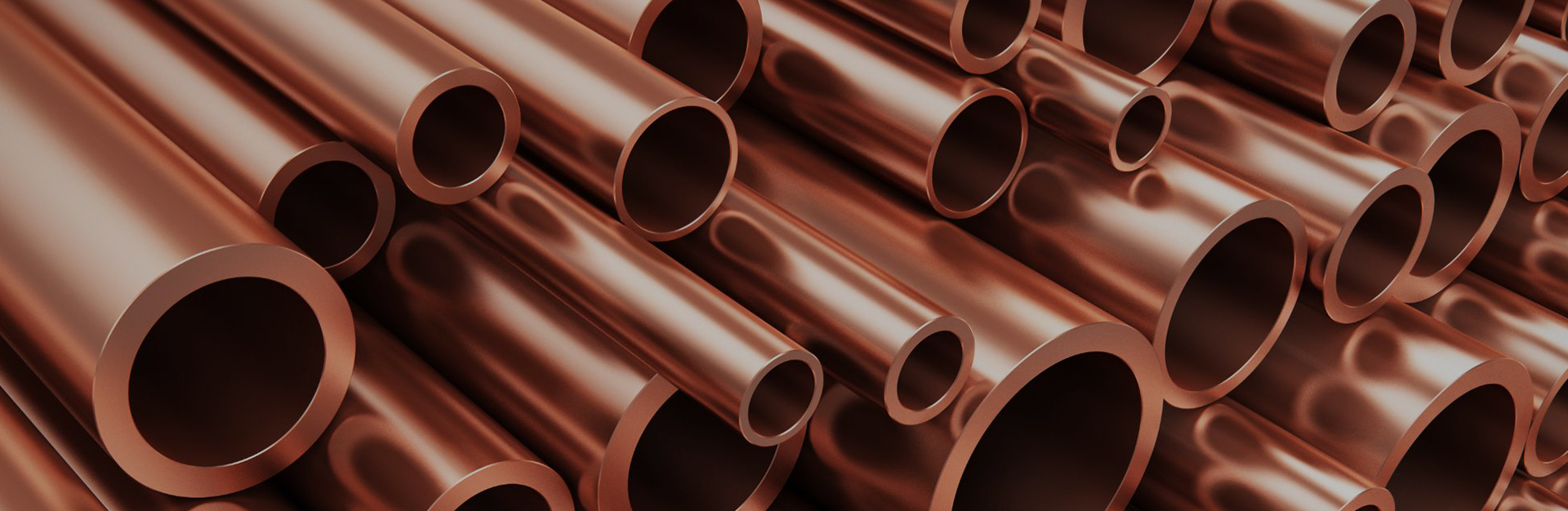
Coloque un calibrador en el exterior del tubo antes de ordenar algo. El error más común en trabajos de plomería y climatización es medir la abertura interior o confiar en una etiqueta desgastada y luego comprar un accesorio que no coincide. Para tubos de cobre nominal de 1/2 pulgada, el diámetro exterior (OD) real es de 0,625 pulgadas (15,875 mm). Para 3/4 de pulgada, es 0,875 pulgadas (22,225 mm). Para 1 pulgada, es 1,125 pulgadas (28,575 mm). El dimensionamiento de los tubos de cobre es un sistema nominal: el nombre describe una dimensión interior nominal, mientras que el diámetro exterior se mantiene en un estándar fijo para que los accesorios, juntas y conexiones abocinadas sellen correctamente.
La confusión entre "tamaño de tubería" y "tamaño de tubo" es comprensible. La tubería de acero tiene un diámetro nominal y un diámetro exterior que no coincide con el nombre. El tubo de cobre, por el contrario, sigue la convención de tamaño de tubo de cobre (CTS): cada tamaño nominal tiene un diámetro exterior fijo y el diámetro interior varía según el espesor de la pared.
Un tubo de cobre de 1/2 pulgada siempre tiene un diámetro exterior de 0,625 pulgadas. Se mecaniza un conector de soldadura de 1/2 pulgada para adaptarse a ese diámetro exterior. Pero el diámetro interior de ese mismo tubo puede ser de 0,569 pulgadas en el Tipo M, 0,545 pulgadas en el Tipo L o 0,527 pulgadas en el Tipo K. Si mide sólo la abertura, no podrá determinar de manera confiable el tamaño nominal. Si mide el diámetro exterior, el tamaño nominal se conoce inmediatamente.
Esta distinción es importante porque los accesorios, válvulas y accesorios están dimensionados según el diámetro exterior. El espesor de la pared afecta el área de flujo y la presión nominal, pero no el tamaño de la junta. Esta es la misma convención utilizada por los fabricantes de tubos. Cuando un proveedor describe su gama de productos de tubos de cobre por diámetro exterior, le dice lo que leería un calibrador en el tubo, no el nombre nominal. Esa consistencia es lo que hace que la medición de OD sea universalmente confiable.
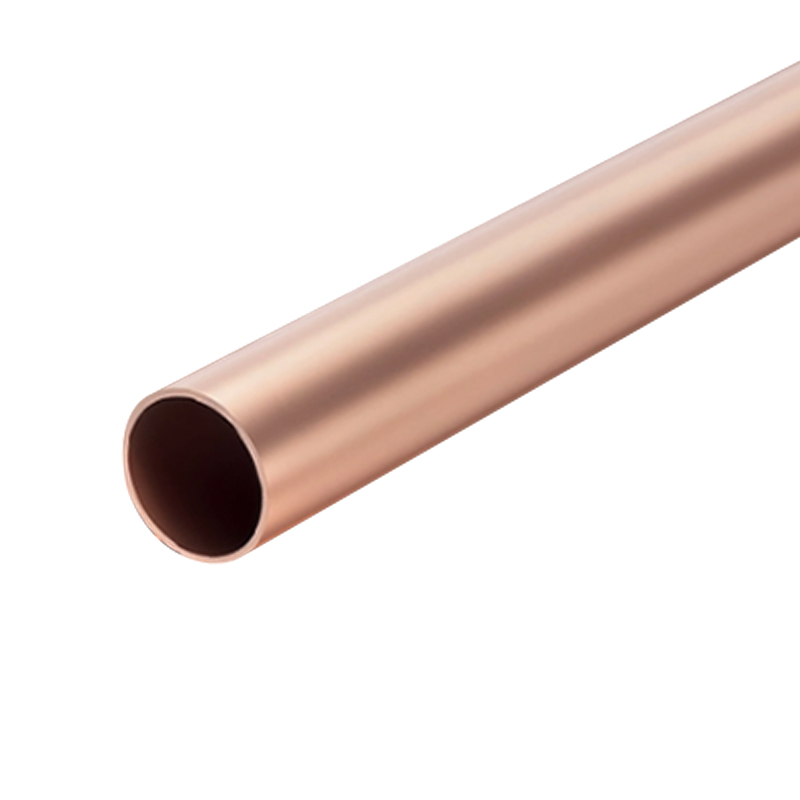 Tubo de cobre Los tubos de cobre DHP de JINGLIANG copper ofrecen excelente ductilidad, resistencia a la corrosión y conductividad térmica. Disponible en varios tamaños... Ver producto →
 Tres herramientas cubren prácticamente todas las situaciones de medición: un calibrador digital, una cinta métrica o regla y un trozo de cuerda o alambre blando.
Abra las mordazas, colóquelas en todo el ancho del extremo del tubo en la superficie exterior y lea el diámetro exterior. Un calibrador digital de 6 pulgadas ofrece una precisión de 0,001 pulgadas, que es suficiente para separar un tubo de 1/2 pulgada (0,625 pulgadas) de un tubo de 5/8 pulgadas (0,750 pulgadas) sin ambigüedad. Este es el método más rápido cuando se puede acceder al extremo del tubo.
Si no hay un calibre disponible, coloque la cinta a lo largo del exterior del tubo, de un borde al otro. Mantenga la cinta perpendicular al eje del tubo; cualquier inclinación aumenta la lectura. Para tubos montados cerca de paredes o en canales estrechos, esto puede resultar incómodo, pero una lectura con una precisión de 1/32 de pulgada suele ser suficiente.
Cuando no se pueda acceder al extremo del tubo, como en una pared terminada o en una línea existente, envuelva un trozo de cuerda alrededor del tubo una vez, marque la superposición y mida la longitud con una regla. Divide la circunferencia por π (3.1416) para obtener la OD. Un tubo de 1/2 pulgada da una circunferencia cercana a 1,96 pulgadas; 3/4 de pulgada da aproximadamente 2,75 pulgadas; 1 pulgada equivale aproximadamente a 3,53 pulgadas. Compare su resultado con estos valores y luego conviértalo al tamaño nominal.
La siguiente tabla enumera los valores de los tamaños nominales más comunes. La columna OD es lo que debe leer su calibre en el extremo del tubo. Las columnas de ID le ayudan a comprender la capacidad de flujo real una vez que conoce el tipo de pared.
| Tamaño nominal (pulg.) | OD real (pulg/mm) | Tipo M ID (pulg.) | Tipo L ID (pulg.) | Tipo K ID (pulg.) |
|---|---|---|---|---|
| 1/2 | 0,625 / 15,875 | 0.569 | 0.545 | 0.527 |
| 3/4 | 0,875 / 22,225 | 0.811 | 0.785 | 0.745 |
| 1 | 1,125 / 28,575 | 1.055 | 1.025 | 0.995 |
El tubo de cobre se produce en varios tipos de paredes. En trabajos de plomería y HVAC en América del Norte, los más comunes son K, L y M. Los tres comparten el mismo diámetro exterior para un tamaño nominal determinado, por lo que el método de medición nunca cambia. Lo que difiere es el espesor de la pared, el diámetro interior y la presión nominal.
El tipo K tiene la pared más gruesa. Está especificado para servicios de agua subterránea, protección contra incendios y aplicaciones de alta presión. El tipo L es la opción estándar para la distribución de agua residencial y comercial, así como para muchas líneas de refrigeración y aceite. El tipo M tiene la pared más delgada, lo que reduce el costo y el peso del material pero también reduce la clasificación de presión; está destinado al servicio general aéreo.
Los tubos estirados en duro están marcados con bandas de colores: azul para K, rojo para L y blanco para M. Los tubos blandos recocidos no siempre están codificados por colores, por lo que si no puede ver un sello en la línea, mida el espesor de la pared con la hoja del calibrador en el extremo del tubo.
Los sistemas de distribución de agua en edificios residenciales y comerciales suelen ser de tipo L o M, con tamaños nominales que van desde 1/2 pulgada hasta 2 pulgadas. un fabricante tubo de agua de cobre El listado utiliza los mismos tamaños nominales CTS, por lo que el diámetro exterior que usted mide se puede comparar directamente con las especificaciones del producto.
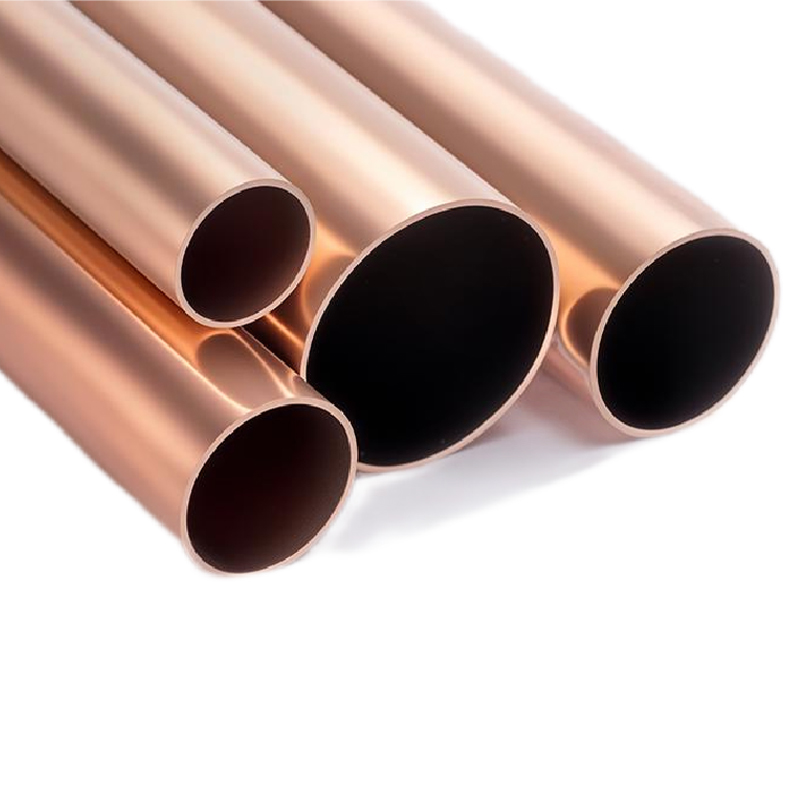 Tubo de agua de cobre La tina de agua de cobre... Ver producto →
 El tipo también afecta el costo de instalación y el caudal. Con el mismo tamaño nominal, el Tipo M tiene el DI más grande, por lo que entrega más volumen con la misma caída de presión; El tipo K es el que menos ofrece. Cuando un dibujo requiera un tipo específico, no lo sustituya basándose únicamente en OD.
Fuera de América del Norte, los tubos de cobre a menudo se describen por su diámetro exterior métrico. Las designaciones métricas comunes se alinean estrechamente con los valores CTS imperiales: 15 mm está cerca de 1/2 pulgada CTS (15,875 mm), 22 mm está cerca de 3/4 de pulgada (22,225 mm) y 28 mm está cerca de 1 pulgada (28,575 mm). En la práctica, la diferencia de diámetro exterior es inferior a 1 mm, pero es suficiente cuando se mezcla un tubo métrico con un conector imperial.
La práctica más segura es comparar los valores de DO medidos, no los nombres de los productos. Para tareas de refrigeración, Tubos que cumplen con ASTM B280 definir el grado del material y las tolerancias dimensionales; EN 12735 y JIS H3300 cumplen funciones similares en los mercados europeos y asiáticos, mientras que AS 1432 se aplica en Australia. Todos estos estándares utilizan las mismas familias de DE en tamaños comunes, razón por la cual la lectura del calibrador sigue siendo el lenguaje común entre el instalador y el proveedor.
Para líneas de aire acondicionado y refrigeración, el rango típico va desde aproximadamente 12 mm a 28 mm de diámetro exterior. un tubo de cobre de refrigeración estándar con un diámetro exterior de 12 a 28 mm es un ejemplo sencillo de cómo los proveedores etiquetan los productos por el diámetro exterior medido en lugar de por nombres nominales.
 Tubo de cobre Zhejiang Jingliang Copper-Tube Products Co., Ltd es un tubo de cobre de refrigeración estándar personalizado de China con un diámetro exterior de 12-28 mm Man... Ver producto →
 La medición no termina con el tamaño nominal. Unas cuantas comprobaciones finales evitan costosos desajustes:
Una vez confirmados el diámetro exterior y el tipo, se determina el tamaño nominal y la selección del accesorio. Si trabaja con especificaciones métricas, su proveedor debería poder confirmar la exactitud. tubería de cobre de tamaño métrico designación contra su OD medido.
La respuesta más corta y confiable a "cómo medir el tamaño de una tubería de cobre" es esta: mida el diámetro exterior con un calibre, lea el tamaño nominal de una tabla de referencia, confirme el tipo de pared y ordene según ambos. Ese método funciona en tubos nuevos, líneas existentes, circuitos de refrigeración y sistemas de distribución de agua. La OD es el valor constante; el tipo es la variable. Cuando controlas ambos, evitas la mayor fuente de errores de tamaño en el trabajo de tuberías de cobre.
El tubo de cobre está hecho de material de cobre de alta pureza con un contenido de cobre de no menos del 99.9%. Los códigos del material principal so...
Ver detalles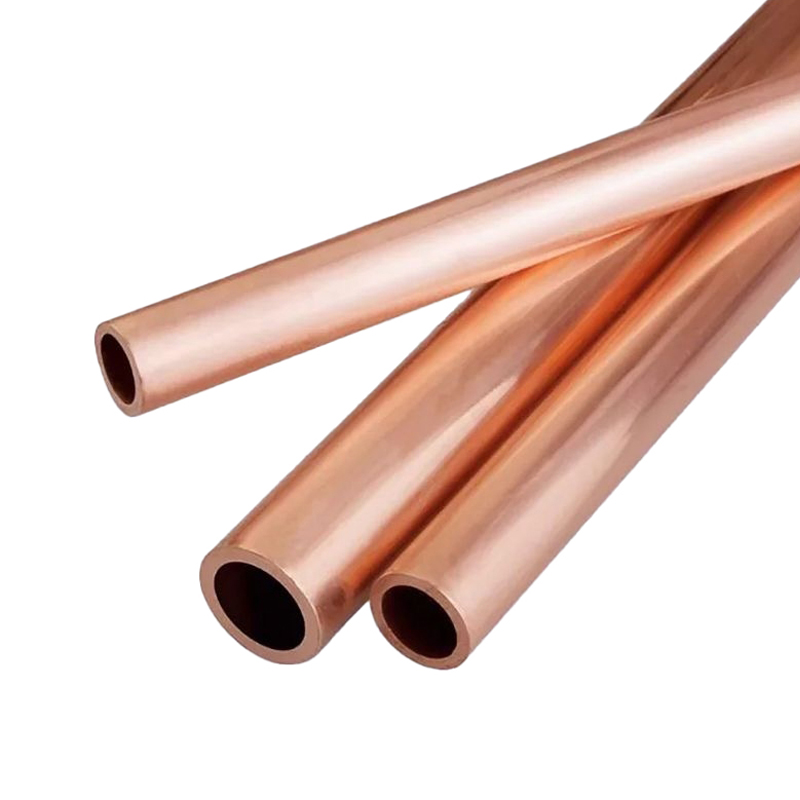
Los tubos de cobre de paredes gruesas también se llaman tubos de cobre de paredes gruesas sin costura. Los tubos de cobre de paredes gruesas se fabric...
Ver detalles
El tubo de agua de cobre producido por nuestra empresa es un tubo de cobre de alto rendimiento adecuado para sistemas de agua fría y caliente y aplica...
Ver detalles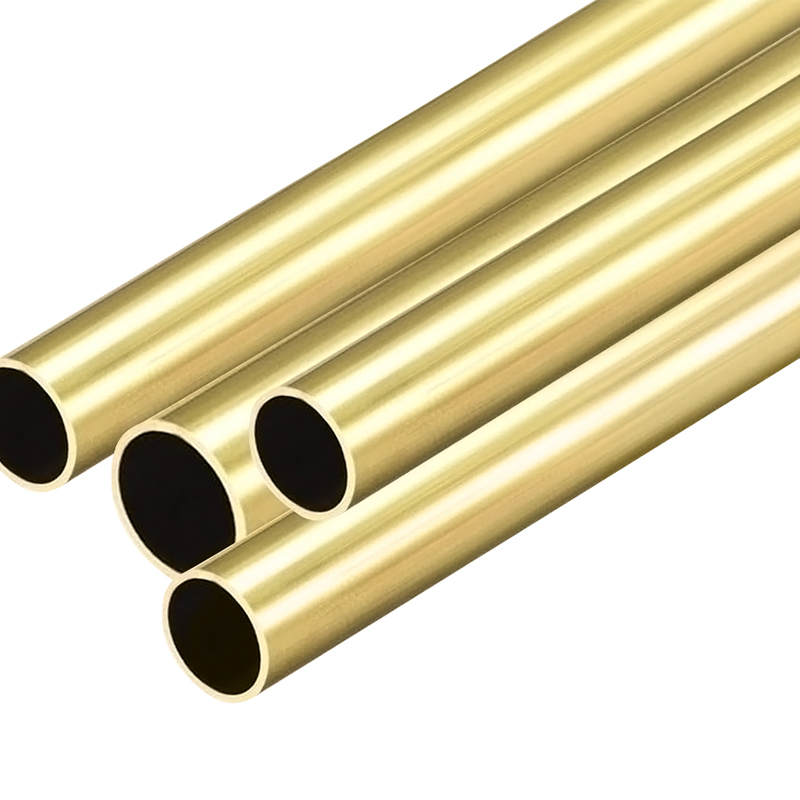
El latón es una aleación de cobre y zinc. Tiene un buen procesamiento y propiedades mecánicas, por lo que se usa ampliamente en la fabricación de tubo...
Ver detalles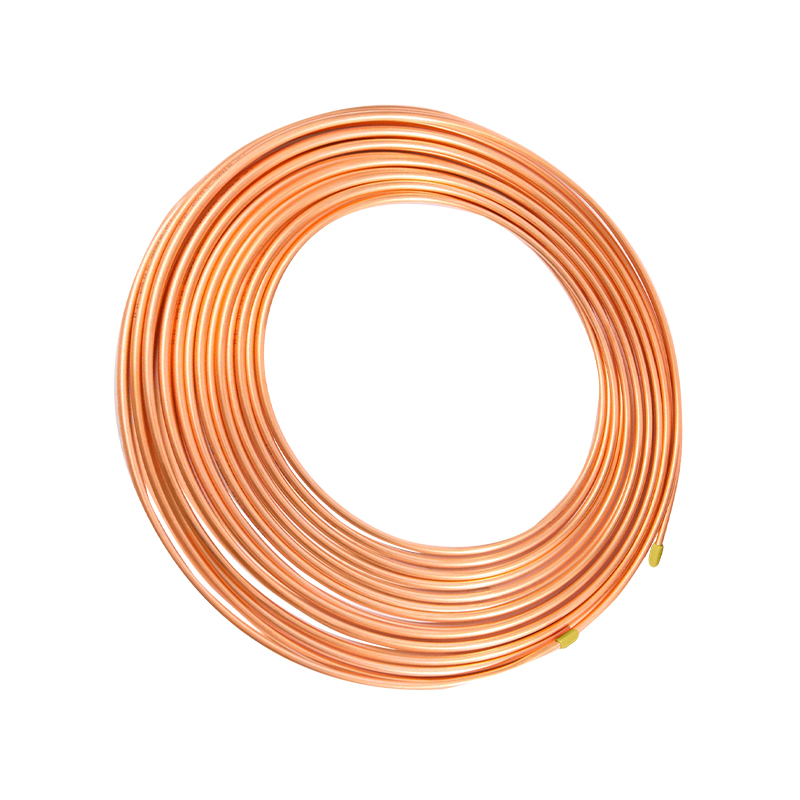
El tubo capilar de cobre generalmente se fabrica mediante mecanizado de precisión, y su precisión dimensional puede alcanzar una milésima de pulgada. ...
Ver detalles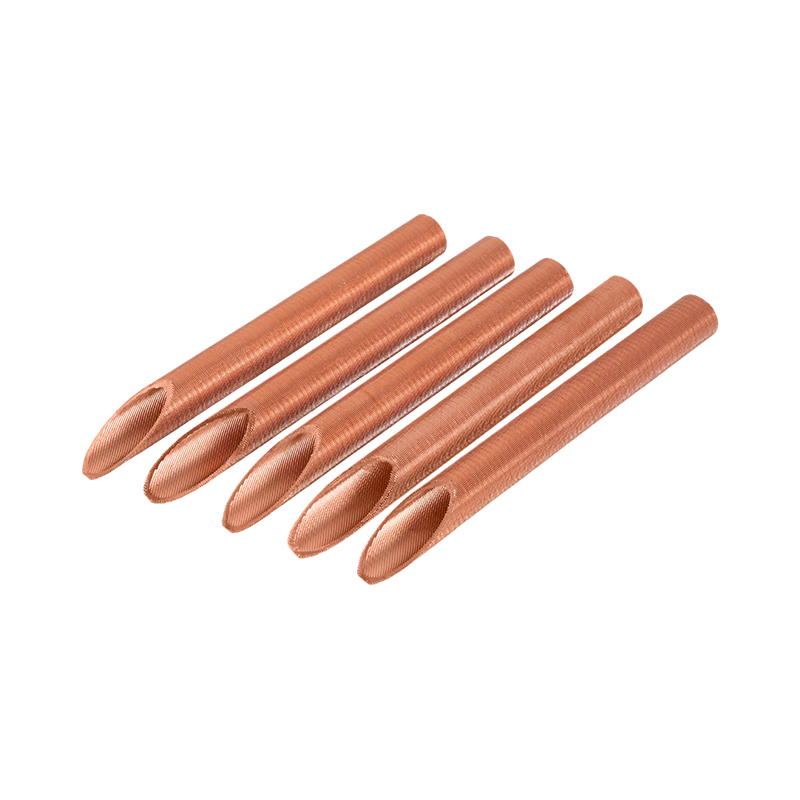
El tubo de cobre del condensador adopta un diseño patentado desarrollado independientemente por la compañía, y los extremos de las aletas están provis...
Ver detalles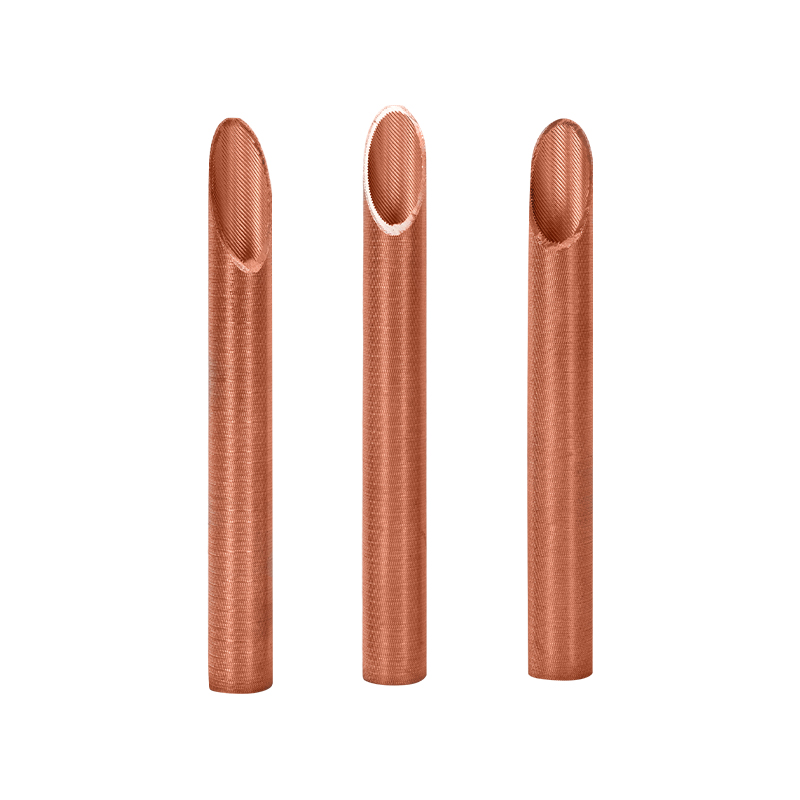
El tubo del evaporador de cobre adopta un diseño de aleta único, y las aletas externas están equipadas con canales interconectados especialmente diseñ...
Ver detalles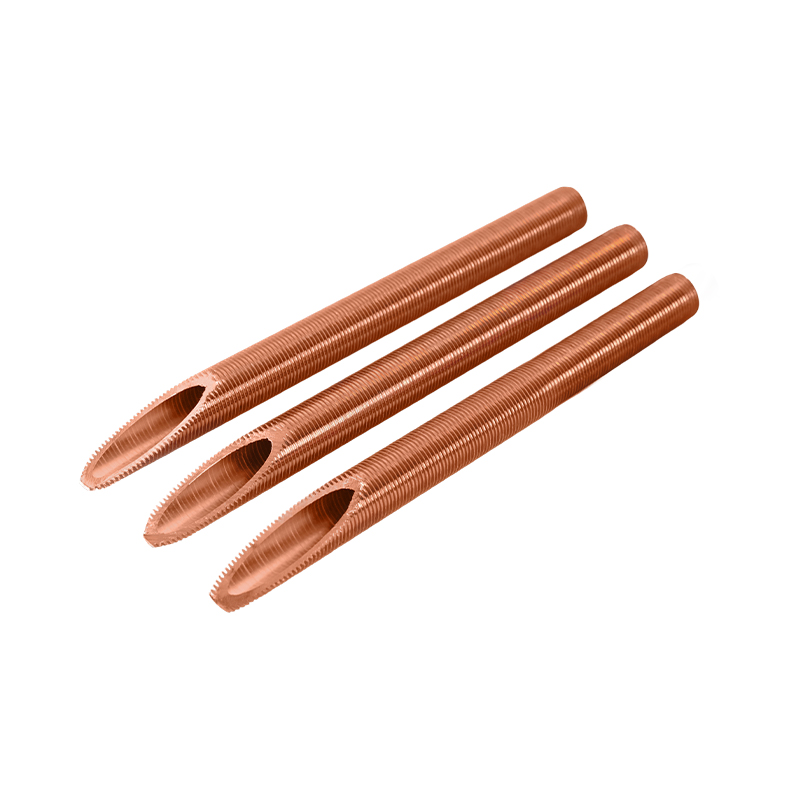
El tubo de cobre de aleta es un elemento de intercambio de calor altamente eficiente. Su característica estructural es que se forman aletas uniformes ...
Ver detalles
 Zona industrial de Tangpu, distrito de Shangyu, Ciudad de Shaoxing, provincia de Zhejiang, China
 +86-13567501345
© Zhejiang Jingliang Copper-Tube Products Co., Ltd. Todos los Derechos Reservados.

