 English
 Español
 中文
中文Noticias
INICIO / Noticias / Noticias de la industria / Avances sistémicos en la industria de los tubos de cobre: cómo la colaboración multifactorial está redefiniendo los límites de la competitividad industrial
Subtítulo: A medida que disminuyen los dividendos de las innovaciones tecnológicas individuales, la cuádruple sinergia de tecnología, gestión, políticas y mercados se está convirtiendo en el nuevo motor para el salto de valor de la industria: ¿cómo contribuye esta capacidad sistémica, que sólo posee el 20% de las empresas líderes, al 50% del crecimiento de las ganancias de la industria?
Tradicional tubo de cobre La competencia empresarial a menudo se centra en las actualizaciones de equipos u optimización de procesos, mientras que los avances sistémicos exigen una profunda integración de tecnología y gestión . La transformación digital de Hailiang Co., Ltd. es un buen ejemplo. Su línea de producción de bobinas inteligente con bajas emisiones de carbono de quinta generación, de desarrollo propio, aumentó la velocidad de extensión de palanquilla de cobre de 1,5 metros por minuto a 2,4 metros y optimizó seis hornos de fusión hasta reducirlos a un horno de cuba, aumentando la eficiencia de la producción en un 60 % y reduciendo las emisiones de carbono en un 30 %. Sin embargo, los beneficios verdaderamente disruptivos provinieron de la reestructuración simultánea de los modelos de gestión: la integración de los sistemas SAP, OA y MES para crear una "cabina digital" permitió la transparencia de los datos de todo el proceso, reduciendo el tiempo de respuesta de los pedidos de 3 a 5 días a 4 a 6 horas y reduciendo los días de rotación de inventario de 48 a 33.
Tabla: Comparación de indicadores clave de actualización de fabricación inteligente
| Indicadores de desempeño | Tradicional production mode | Después de la transformación digital | Rendimiento mejorado |
| ciclo de I+D | 2-3 años | 6-12 meses | 60% de reducción |
| Tasa de conversión de logros | Aprox. 15% | Más del 40% | Casi 2 veces |
| Capacidad premium del producto | punto de referencia | mejora 6x | Significativamente mejorado |
| La cuota de mercado aumentó | Crecimiento lento | El segmento global representa el 60% | Desarrollo a gran escala |
esto efecto sinérgico es particularmente evidente en el control de calidad. Guangdong Longfeng Precision Copper Tube introdujo un sistema de inspección visual de IA entrenado en 100.000 muestras de defectos, lo que redujo la tasa de defectos al 0,3‰. Sin embargo, las ganancias de eficiencia de la inspección dependieron del cambio organizacional: el departamento de inspección de calidad tradicional se reestructuró en un "grupo de toma de decisiones de datos", reduciendo los inspectores de calidad en un 80% y aumentando la proporción de analistas de datos del 5% al 30%. Un impacto más profundo es el cambio en la lógica de producción: el proceso sin limpieza de Jiangsu Cuilong, logrado a través de innovadoras formulaciones de lubricantes de tipo craqueo, eliminó el paso de limpieza. Sin embargo, para alcanzar su valor total fue necesario reestructurar la línea de producción, acortando el tiempo del ciclo desde el estiramiento hasta el recocido de 48 horas a 24 horas. Esto " doble tracción " de tecnología y gestión permite a las empresas líderes alcanzar una producción anual per cápita de 350 toneladas, tres veces el promedio de la industria.
El modelo de innovación en la industria de los tubos de cobre está pasando de la "I+D de un solo punto" a la "integración de sistemas". "La exitosa colaboración entre Jiangxi Naile Copper Co., Ltd. y la Universidad de Nanchang demuestra que una profunda integración entre la industria, la academia y la investigación requiere el establecimiento de tres mecanismos: igualación de la demanda, integración de recursos y distribución de beneficios. Para afrontar el desafío de la industria de lograr un contenido de oxígeno ≤5 ppm en tubos de cobre para semiconductores, el equipo conjunto universidad-empresa desarrolló un "método de fundición continua horizontal con división de oxígeno ultra bajo", reduciendo los costos a una octava parte de los métodos de vacío importados. Sin embargo, liberar el valor de este avance tecnológico requirió sinergia en la cadena industrial: Naile Copper lo utilizó para ingresar a la cadena de suministro global de chips, sextuplicando las tarifas de procesamiento.
El alcance de la colaboración se está ampliando a toda la cadena. Las empresas cupríferas de Jiangxi construyeron un "cerebro de la industria del cobre" que conecta al 80% de las empresas cupríferas de la ciudad, permitiendo compartir capacidad y coordinar pedidos a través del análisis de big data. Este enfoque de plataforma permite a las PYME participar en una competencia de alto nivel: cuando una empresa recibe un pedido muy grande, el sistema lo divide automáticamente entre varias fábricas para la producción paralela, lo que reduce el tiempo de entrega en un 40% y los costos en un 15%. En el frente político, el "Plan de implementación del desarrollo de alta calidad de la industria del cobre (2025-2027)" apoya explícitamente la creación de consorcios de innovación, con el objetivo de superar entre 10 y 12 tecnologías "cuellos de botella" en tres años. Esta sinergia tridimensional "tecnología-industria-política" contribuyó a que la industria del cobre de Jiangxi lograra un crecimiento interanual de los ingresos del 19,1 % y un aumento de las ganancias del 50,5 % en los primeros tres trimestres de 2025.
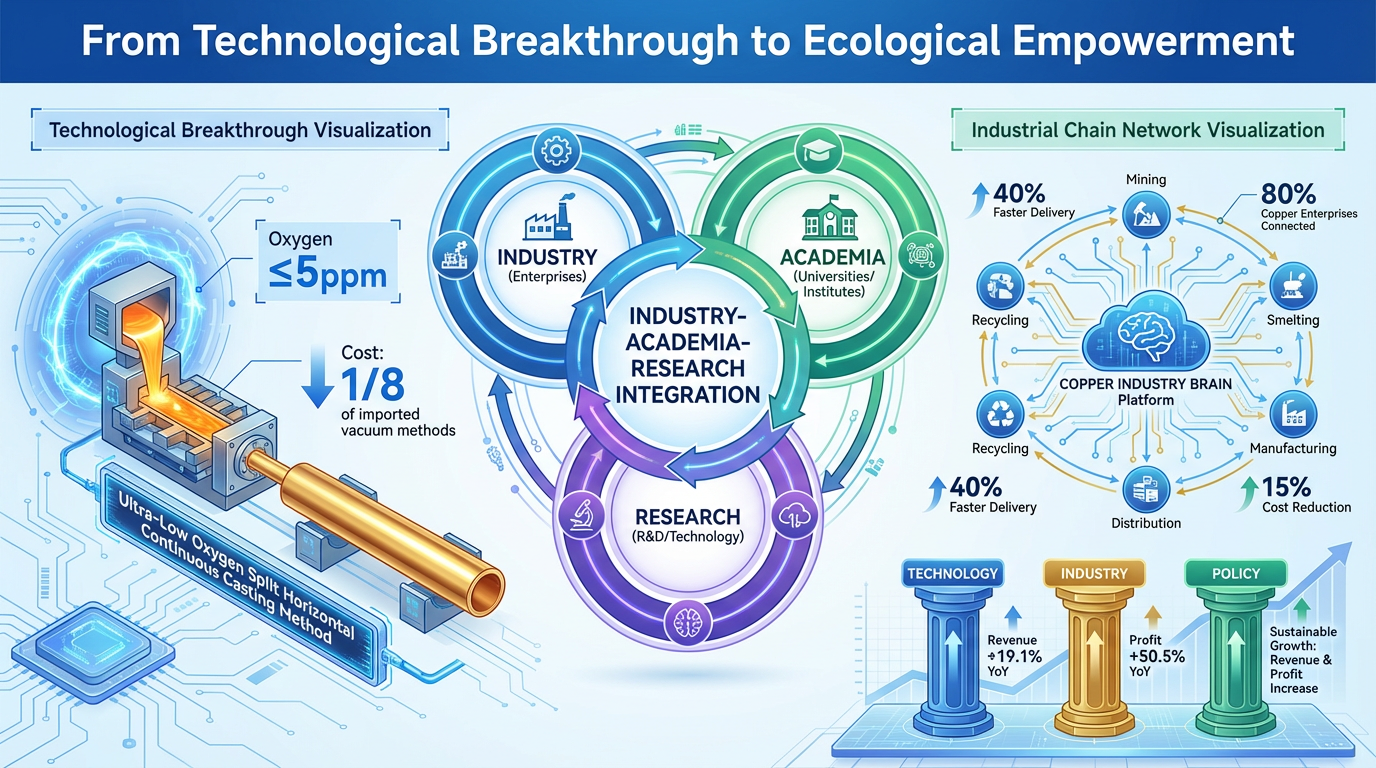
(Esta imagen fue generada por IA).
La transición verde en la industria de los tubos de cobre está generando un "efecto multiplicador" con la digitalización. La fábrica sin emisiones de carbono de Hailiang Co., Ltd., que utiliza energía fotovoltaica y tecnología de captura de carbono, redujo la huella de carbono del producto en un 53 %. Sin embargo, activar el valor de los datos de reducción de carbono requiere herramientas digitales: su sistema de seguimiento de la huella de carbono monitorea el consumo de electricidad en tiempo real en todos los procesos, lo que reduce el consumo integral de energía por unidad de producto en un 30 %. Esta sinergia ayuda a que los productos califiquen para las exenciones fiscales CBAM de la UE, aumentando las primas en un 15%.
Un valor sinérgico similar es evidente en la economía circular. El Grupo Jiangxi Baotai estableció un sistema de reciclaje de circuito cerrado que logró una tasa de reutilización del 95 % de los tubos de cobre de desecho. Sin embargo, maximizar los beneficios económicos depende de la tecnología IoT: el uso de chips RFID para rastrear el origen de cada tonelada de chatarra de cobre garantiza que la pureza del cobre reciclado alcance el 99,99%, lo que cuesta un 30% menos que el cobre primario. Una innovación más vanguardista son los tubos de cobre solidificadores de carbono, que añaden minerales de carbonato al revestimiento de la pared del tubo para solidificar 50 kg de CO₂ por tonelada de producto. Sin embargo, la comercialización requiere un sistema de gestión de activos de carbono para convertir las reducciones de emisiones en cuotas de carbono para el comercio. La profunda integración de las tecnologías verdes y digitales permite a las empresas líderes no solo evitar riesgos ambientales sino también aprovechar un mercado premium verde que crece a un ritmo del 25% anual.
En medio de cambios geopolíticos, las empresas líderes están mejorando su resiliencia a través de diseños nacionales e internacionales coordinados. El caso de Jinlong Copper Tube Group es típico: su fábrica estadounidense aprovecha las reglas de origen del T-MEC para acceder libre de aranceles al mercado norteamericano. Al mismo tiempo, su base nacional se centra en la investigación y el desarrollo de tubos de cobre de pared ultrafina (espesor de pared ≤0,25 mm), utilizando tecnología de espesor de pared gradual para reducir los costos en un 20 %. Esto " I+D en China Fabricación en el extranjero "El modelo ayudó a la empresa a mantener una participación de mercado del 15% durante las disputas arancelarias de Estados Unidos.
Las estrategias de colaboración están evolucionando hacia enfoques multinivel. Hailiang Co., Ltd. estableció bases de producción en Indonesia y Marruecos para adaptarse a las necesidades regionales. Las empresas cupríferas de Jiangxi adoptan un " overseas base local R&D ", colaborando con instituciones de investigación locales para desarrollar tubos de cobre resistentes a la corrosión adecuados a los climas locales. En cuanto a las políticas, el Plan de Implementación apoya explícitamente a las empresas a participar en el establecimiento de estándares internacionales, promoviendo la "globalización" de la tecnología china. Esta sinergia de capacidades nacionales e internacionales permitió que las exportaciones de tubos de cobre de China crecieran un 14% en 2025, y la proporción de productos de alta gama aumentó del 15% al 35%.
Los avances sistémicos dependen en última instancia de la organización y la sinergia del talento. El "mecanismo del Director de Tecnología (CTO)" adoptado por Jiangxi Naile Copper y la Universidad de Nanchang integra a expertos universitarios directamente en las líneas de producción, resolviendo la "desconexión" entre la investigación y la producción. Sin embargo, la innovación sostenida requiere un diseño institucional: las empresas asignan entre el 8% y el 12% de los ingresos por ventas a I+D, y el 30% se destina a apoyar proyectos de CTO, creando un " I+D-beneficio-reinversión "circuito cerrado.
Los modelos de cultivo del talento se están revolucionando simultáneamente. El "Plan de ingeniería excepcional" de la Universidad de Ciencia y Tecnología de Jiangxi implementa una formación segmentada: los estudiantes graduados se centran en los trabajos de curso durante el primer año y participan en proyectos empresariales reales a partir del segundo año. Las empresas, a su vez, participan a través del sistema "Profesor de Industria", donde el personal técnico de la columna vertebral participa en la docencia. Esta sinergia da como resultado que más del 90% de los graduados encuentren trabajos que coincidan con sus especialidades, y los equipos de I+D de las empresas adquieran capacidad de innovación continua. A nivel organizacional, Hailiang Co., Ltd. estableció "Laboratorios de Innovación Conjunta", colaborando con Huawei para desarrollar grandes modelos verticales para la industria de metales no ferrosos, aumentando la eficiencia de optimización de los parámetros del proceso en un 40%. Esta sinergia triangular de "institución-talento-organización" constituye el soporte subyacente para la innovación empresarial iterativa.
La competencia en la industria de los tubos de cobre está pasando de una colaboración "impulsada por factores" a una "colaboración impulsada por sistemas". Empresas que logran la quíntuple sinergia de tecnología & management , industria-academia-investigación y cadena industrial , verde y digital , nacional e internacional , y organización y talento , no sólo disfrutan de ganancias integrales de eficiencia de más del 30%, sino que también construyen barreras competitivas replicables. Como lo demuestra el caso de la industria del cobre de Jiangxi: la colaboración sistémica permitió a las empresas regionales mejorar el rendimiento del producto en 5 puntos porcentuales, acortar los ciclos de I+D en un 60% y obtener un poder sostenido de fijación de precios premium en el mercado global.
En los próximos cinco años, la polarización de la industria se acelerará. Es probable que el mero 20% de las empresas que poseen capacidades sistémicas contribuyan con el 50% del crecimiento de las ganancias de la industria. Para las empresas, la atención debe dejar de centrarse en " ventajas de un solo punto "a la construcción" redes colaborativas ", utilizando el diseño de mecanismos para estimular reacciones químicas entre elementos. Como afirmó un experto de la industria: "Las empresas campeonas del futuro no serán las líderes en una tecnología o producto específico, sino los 'ingenieros de sistemas' más expertos en integrar recursos multidimensionales".
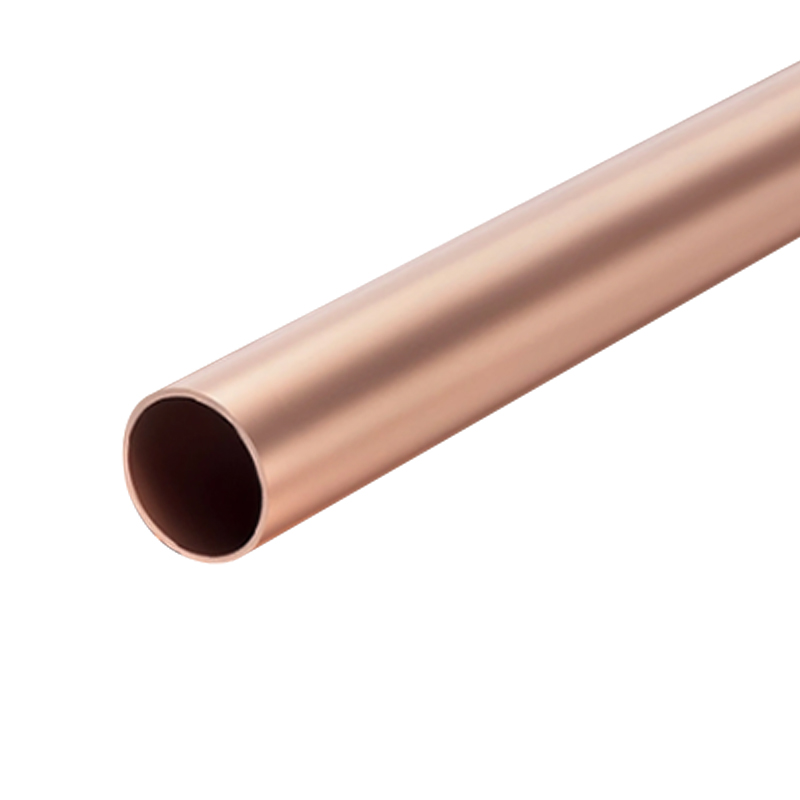
El tubo de cobre está hecho de material de cobre de alta pureza con un contenido de cobre de no menos del 99.9%. Los códigos del material principal so...
Ver detalles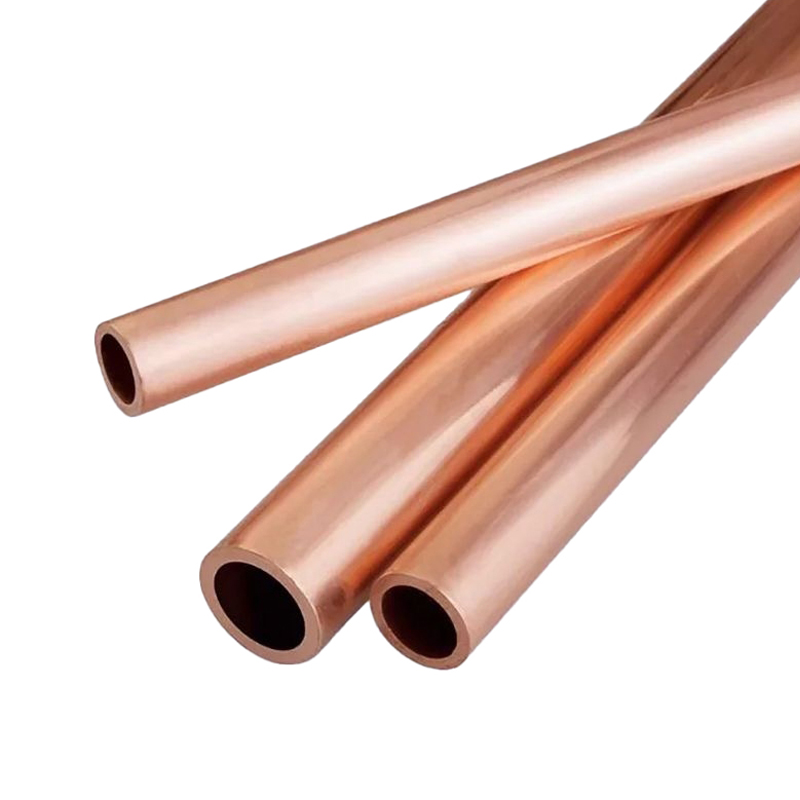
Los tubos de cobre de paredes gruesas también se llaman tubos de cobre de paredes gruesas sin costura. Los tubos de cobre de paredes gruesas se fabric...
Ver detalles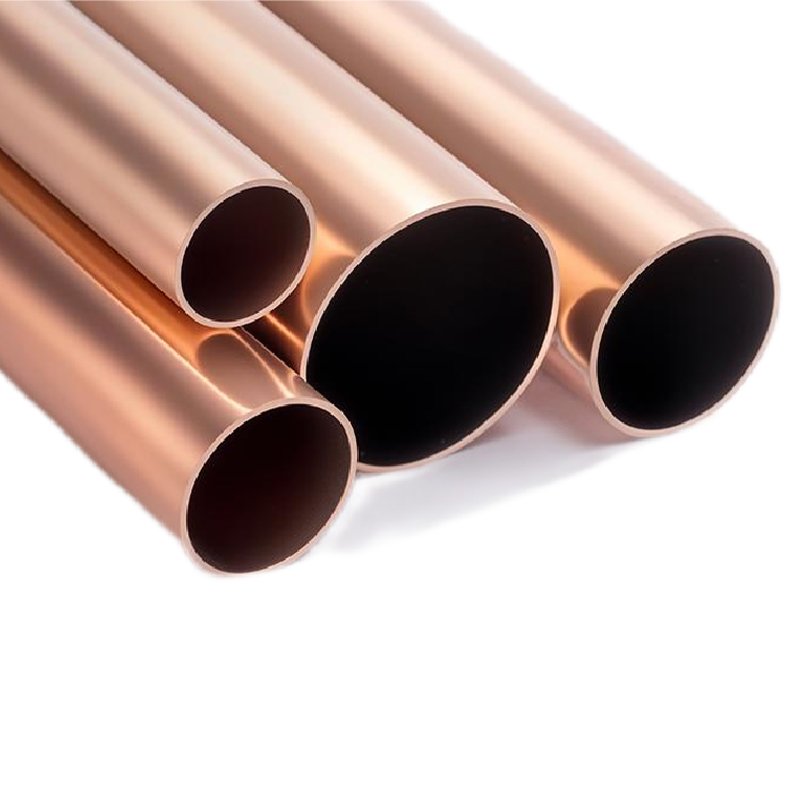
El tubo de agua de cobre producido por nuestra empresa es un tubo de cobre de alto rendimiento adecuado para sistemas de agua fría y caliente y aplica...
Ver detalles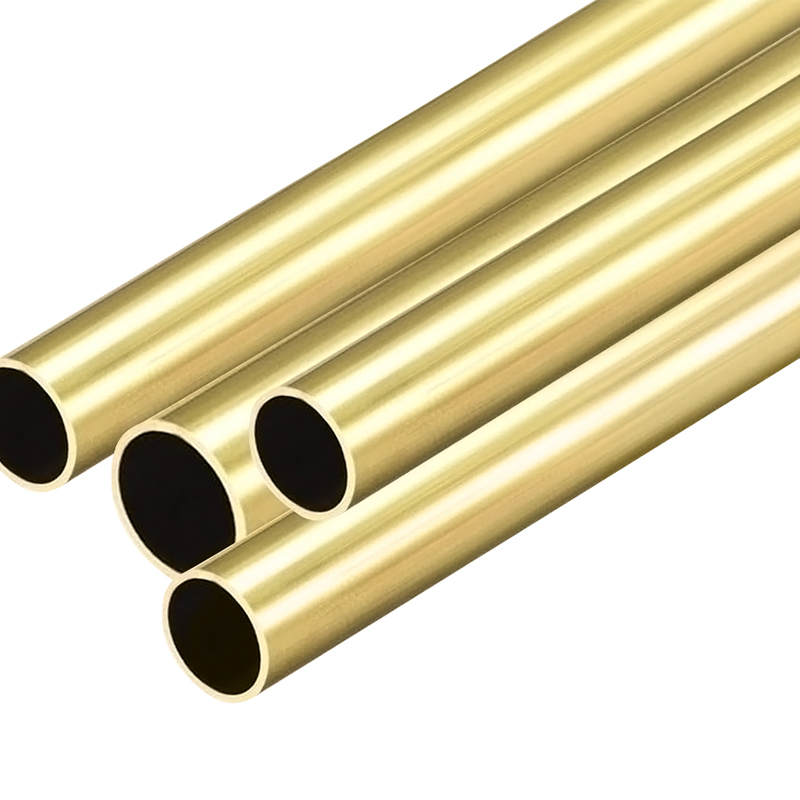
El latón es una aleación de cobre y zinc. Tiene un buen procesamiento y propiedades mecánicas, por lo que se usa ampliamente en la fabricación de tubo...
Ver detalles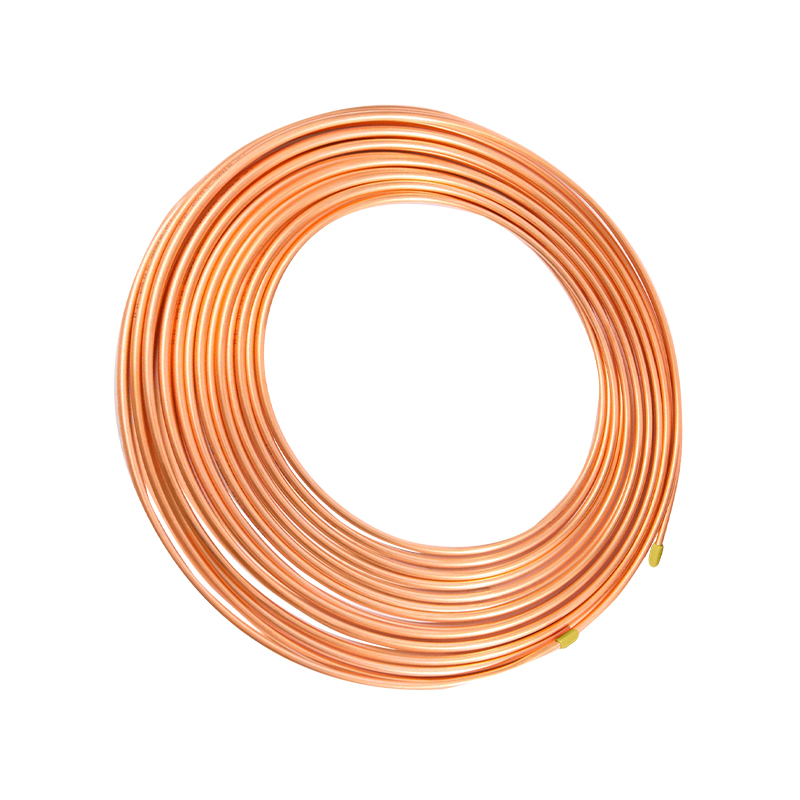
El tubo capilar de cobre generalmente se fabrica mediante mecanizado de precisión, y su precisión dimensional puede alcanzar una milésima de pulgada. ...
Ver detalles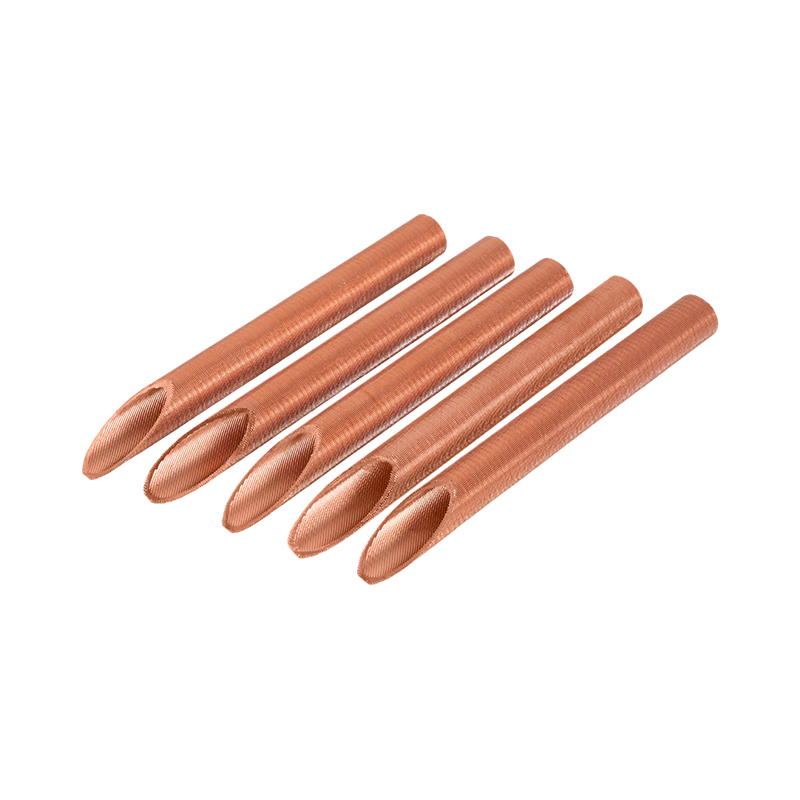
El tubo de cobre del condensador adopta un diseño patentado desarrollado independientemente por la compañía, y los extremos de las aletas están provis...
Ver detalles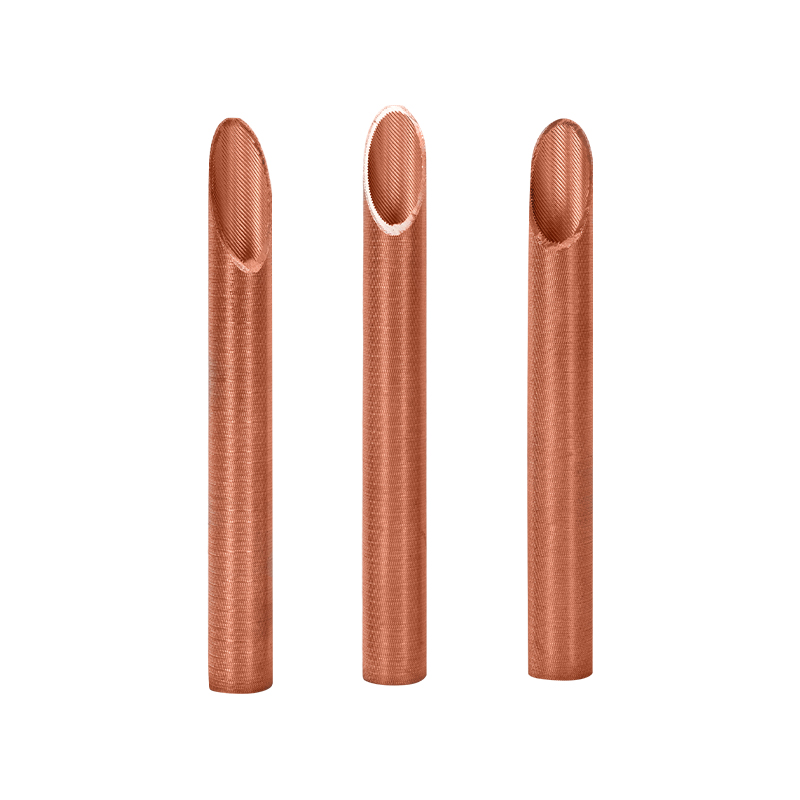
El tubo del evaporador de cobre adopta un diseño de aleta único, y las aletas externas están equipadas con canales interconectados especialmente diseñ...
Ver detalles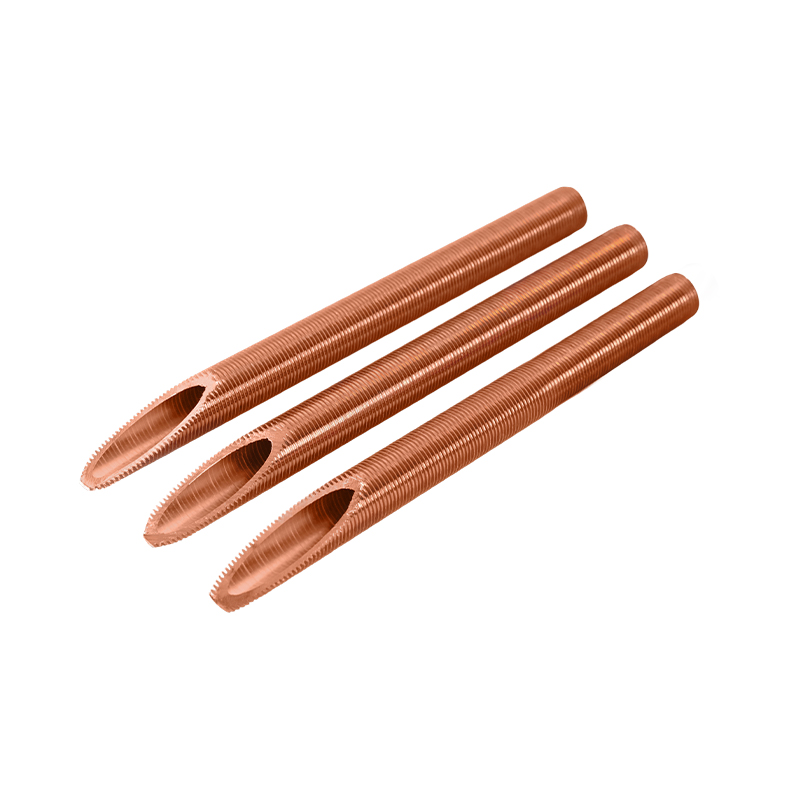
El tubo de cobre de aleta es un elemento de intercambio de calor altamente eficiente. Su característica estructural es que se forman aletas uniformes ...
Ver detalles
 Zona industrial de Tangpu, distrito de Shangyu, Ciudad de Shaoxing, provincia de Zhejiang, China
 +86-13567501345
© Zhejiang Jingliang Copper-Tube Products Co., Ltd. Todos los Derechos Reservados.

