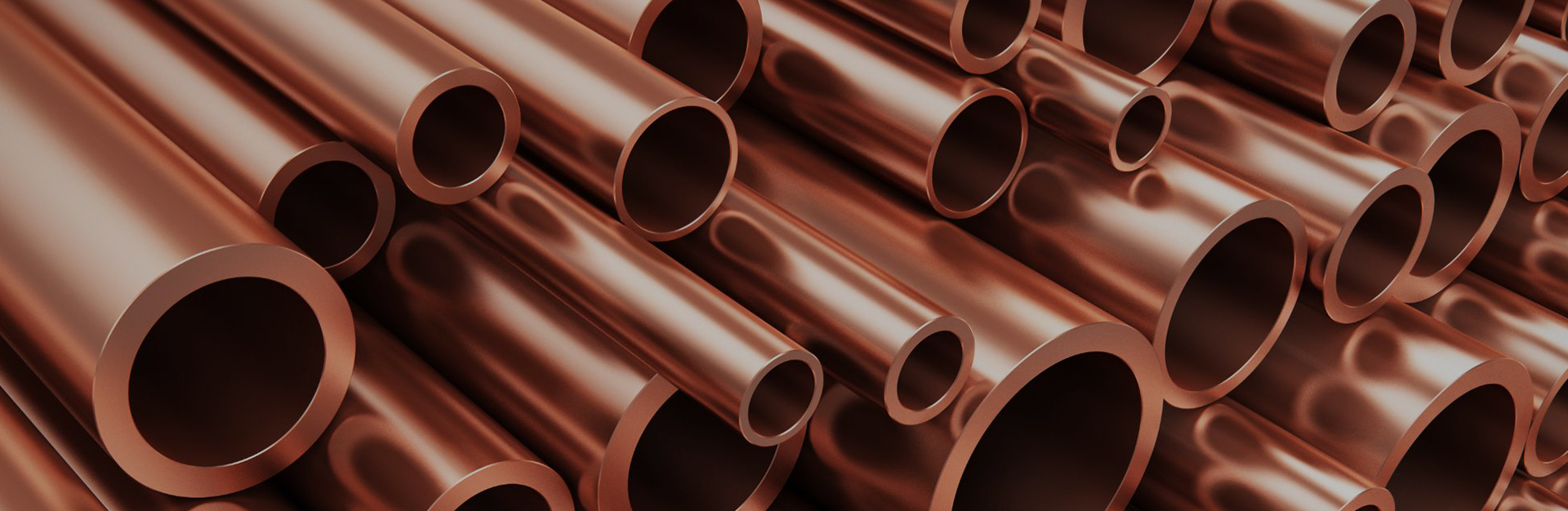
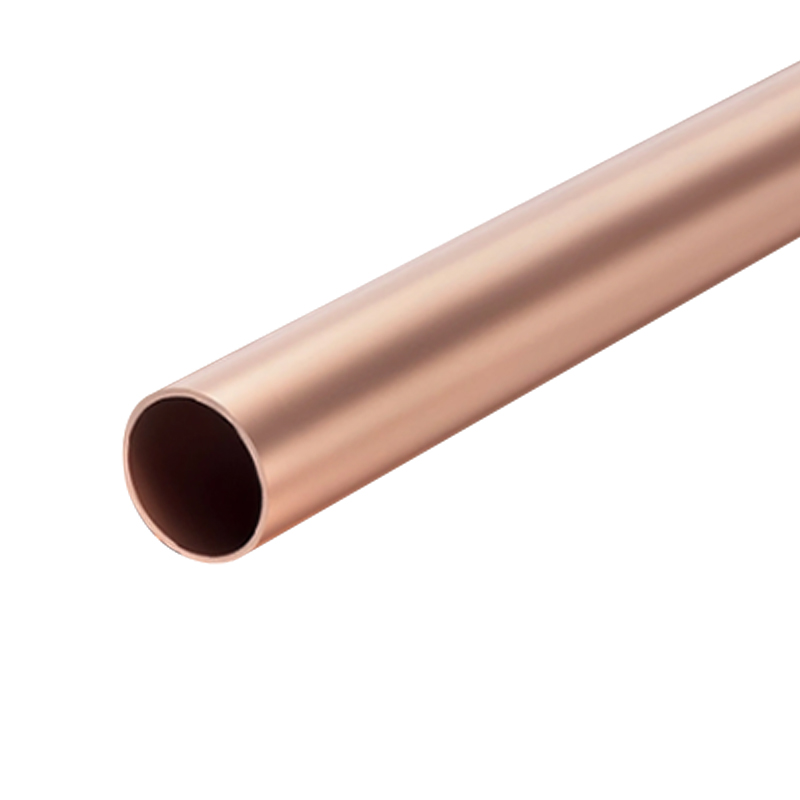
When sourcing tubing for HVAC, plumbing, refrigeration, or industrial systems, copper and brass tubes remain the top-performing materials across most engineering applications. A reliable copper tube factory or brass tube factory delivers not just raw material, but precision-engineered products—from copper capillary tubes as thin as 0.5 mm to thick wall copper tubes exceeding 10 mm wall thickness. This guide covers every major product type, their specifications, applications, and how to choose the right tube for your project.
A modern copper tube factory is not a single-product facility. It operates multiple production lines covering a wide spectrum of tube geometries, alloy compositions, and surface treatments. The core output categories include:
Each category undergoes distinct manufacturing processes—continuous casting, extrusion, cold drawing, annealing, and surface treatment—tailored to meet international standards such as ASTM B88, EN 1057, JIS H3300, and GB/T 1527.
Copper water tube is the most widely installed tube type globally, particularly in residential and commercial plumbing. Its antimicrobial properties, corrosion resistance, and long service life—often exceeding 50 years in normal conditions—make it the default choice for potable water systems.
| Type | Wall Thickness | Color Code | Common Application |
|---|---|---|---|
| Type K | Thickest | Green | Underground, high pressure |
| Type L | Medium | Blue | Interior plumbing, HVAC |
| Type M | Thin | Red | Residential supply lines |
| Type DWV | Thinnest | Yellow | Drain, waste, vent (gravity flow) |
For drinking water applications, factory-certified tubes must comply with NSF/ANSI 61 and NSF/ANSI 372 low-lead requirements. Type L is the most commonly specified for interior plumbing due to its balance between pressure rating and material cost.
Thick wall copper tube is engineered for environments where standard wall thicknesses are insufficient. These tubes are used in hydraulic systems, natural gas distribution, industrial refrigeration, and fire suppression networks where operating pressures can exceed 40 bar (580 psi).
Thick wall tubes are produced through a multi-pass cold drawing process. A typical specification might include:
C12200 (DHP copper) is the preferred alloy for thick wall tubes in gas and refrigeration systems because its residual phosphorus content (0.015%–0.040%) prevents hydrogen embrittlement and improves weldability.
Condenser copper tubes and copper evaporator tubes are at the heart of HVAC and refrigeration equipment. Their performance directly determines system energy efficiency. Both are manufactured with tight dimensional tolerances—typically ±0.05 mm on outer diameter—to ensure consistent contact with tube sheets and fin assemblies.
Condenser tubes transfer heat from refrigerant vapor to a cooling medium (water or air). Common specifications include:
Evaporator tubes facilitate refrigerant evaporation, absorbing heat from the process fluid. Enhanced surface evaporator tubes—especially inner-grooved versions—can improve the heat transfer coefficient by up to 200% compared to smooth tubes, reducing overall system energy consumption significantly.
| Tube Type | HTC Improvement | Typical OD (mm) | Groove Count |
|---|---|---|---|
| Smooth Bore | Baseline | 9.52 – 19.05 | — |
| Inner Grooved (standard) | +80% to +120% | 7.0 – 15.88 | 40 – 60 |
| Inner Grooved (high-fin) | +150% to +200% | 5.0 – 12.7 | 60 – 80 |
Inner grooved tube (also called internally enhanced tube or micro-fin tube) features a helical groove pattern machined or formed on the inner bore surface. This geometry increases internal surface area by 50% to 70% without increasing the external tube diameter, making it ideal for compact heat exchanger designs.
Inner grooved tubes are formed using a floating plug drawing process combined with a grooved mandrel. Key controllable parameters include:
These tubes are widely used in room air conditioners, heat pumps, and chillers. Major AC manufacturers globally have transitioned from smooth to inner grooved copper tubes as standard, enabling system COP improvements of 5% to 15%.
Embossed copper tube features a patterned outer surface—dimples, spirals, or corrugations—created by mechanical forming after tube drawing. The embossed texture enhances turbulence in the fluid flowing outside the tube, improving the external heat transfer coefficient by 30% to 60% in shell-and-tube heat exchanger configurations.
Common applications for embossed copper tubes include:
The embossed pattern also increases mechanical stiffness, allowing the use of thinner walls without compromising structural integrity—an important factor in cost-sensitive applications.
Copper capillary tube occupies a unique niche—it is defined by its very small bore diameter, typically ranging from 0.3 mm to 3.0 mm inner diameter with outer diameters from 0.5 mm to 6.35 mm. These tubes are manufactured through multiple cold drawing passes with intermediate anneals to achieve precise bore geometry.
For refrigeration, capillary tube length and inner diameter are precisely calculated to match system capacity. A typical domestic refrigerator uses a capillary tube of approximately 1.0–1.5 mm ID and 1.5–4 meters in length, calibrated to work with specific refrigerant types (R-134a, R-600a).
Not every engineering application can use round tubing. Special shaped copper tubes—including copper square tubes, rectangular tubes, oval tubes, D-shaped tubes, and custom profiles—are produced to meet specific geometric requirements. A copper square tube, for example, offers flush mounting surfaces, simplified structural joining, and distinctive aesthetic appeal in architectural and furniture applications.
| Profile | Size Range | Key Advantage | Typical Application |
|---|---|---|---|
| Square | 5×5 mm to 50×50 mm | Flat surface, stackable | Architecture, furniture, busbars |
| Rectangular | Custom W×H | High moment of inertia | Heat exchangers, structural frames |
| Oval / Flat | Various aspect ratios | Low aerodynamic drag | Automotive coolers, fan coils |
| D-shaped | Custom | Anti-rotation, guided assembly | Rotating equipment, valves |
Factories producing special shaped copper tubes use pass-sequence rolling dies and profile drawing benches. Custom shapes typically require a minimum order quantity (MOQ) of 500 kg to 2,000 kg due to tooling setup costs.
Fin copper tube integrates external fins—either helically wound or extruded—directly onto the tube outer surface during manufacturing. This eliminates the need for separate fin assembly and bonding, resulting in better thermal contact and reduced manufacturing complexity. The external fin density typically ranges from 6 to 32 fins per inch (FPI).
Fin copper tubes are used in:
A finned copper tube at 26 FPI can provide 8 to 10 times the external surface area of a plain tube of the same length, dramatically improving air-side heat transfer without increasing system footprint.
Silver copper tube refers to copper alloys with small additions of silver—typically 0.08% to 0.12% Ag by weight—which significantly elevate the softening temperature without compromising electrical or thermal conductivity. Standard copper begins to soften (anneal) around 200°C, while silver-bearing copper retains its hardness up to approximately 300°C to 350°C.
The ASTM designation for silver-bearing copper is C10400, C10500, and C10700, with silver content varying by grade. The conductivity of these alloys remains above 98% IACS, making them suitable for electrical applications.
A brass tube factory operates with fundamentally different alloy chemistry than a copper tube facility. Brass is a copper-zinc alloy, with zinc content ranging from 5% to 45% depending on grade, imparting a spectrum of mechanical, machinability, and corrosion-resistance properties.
| Alloy (UNS) | Cu-Zn % | Key Property | Typical Use |
|---|---|---|---|
| C26000 (Cartridge Brass) | 70/30 | Excellent formability | Heat exchanger tubes, ammunition cases |
| C28000 (Muntz Metal) | 60/40 | High strength, hot workable | Condenser plates, marine hardware |
| C44300 (Admiralty Brass) | 71/28 + 1% Sn | Dezincification resistance | Seawater condensers, shipbuilding |
| C36000 (Free-Cutting Brass) | 61.5/35.5 + 3% Pb | Superior machinability | Precision fittings, valve bodies |
Brass tube factories differentiate themselves through alloy consistency. Zinc content variation of even ±1% can shift a tube from alpha-phase to alpha-beta phase brass, altering its formability and corrosion behavior. Reputable factories use continuous spectrometric analysis to maintain alloy uniformity throughout production batches.
Choosing the right manufacturing partner is as critical as selecting the correct tube type. Key evaluation criteria include:
Request mill test reports (MTRs) with every shipment. These documents verify chemical composition, mechanical properties (tensile strength, elongation), and dimensional inspection results for each production lot.
The copper tube industry is not static. Several converging trends are reshaping product development and factory investment priorities:
Factories that invest in these capabilities will be better positioned to serve high-specification markets in Asia-Pacific, Europe, and North America, where energy efficiency standards are tightening every product cycle.
El tubo de cobre está hecho de material de cobre de alta pureza con un contenido de cobre de no menos del 99.9%. Los códigos del material principal so...
Ver detalles
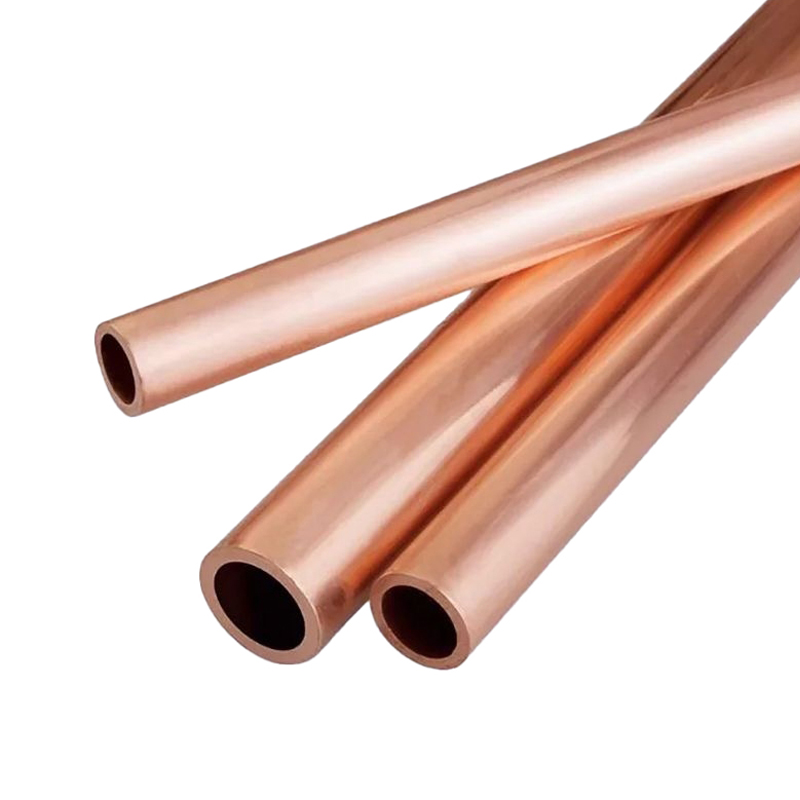
Los tubos de cobre de paredes gruesas también se llaman tubos de cobre de paredes gruesas sin costura. Los tubos de cobre de paredes gruesas se fabric...
Ver detalles
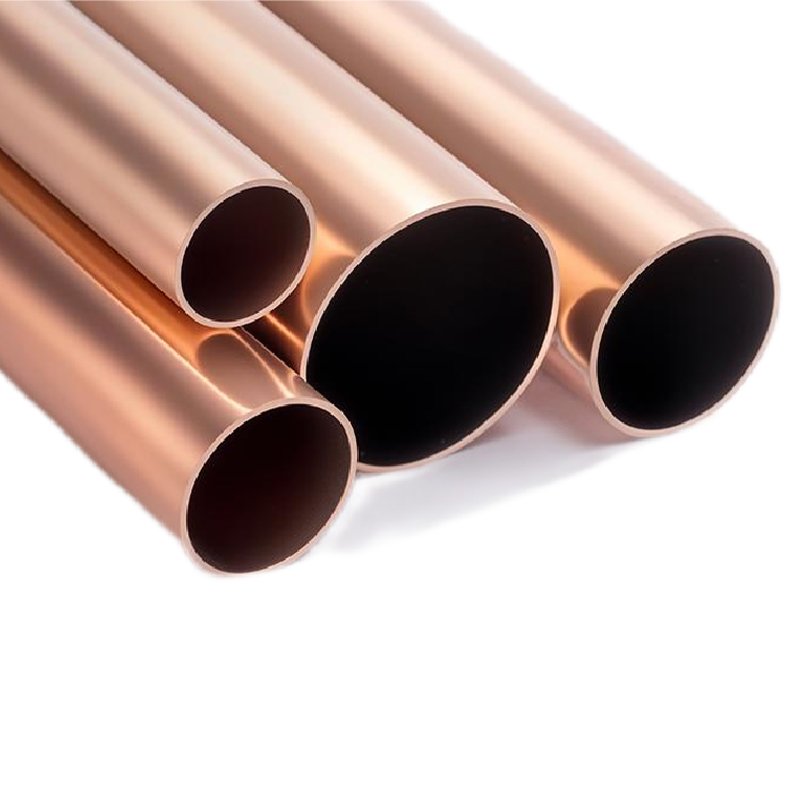
El tubo de agua de cobre producido por nuestra empresa es un tubo de cobre de alto rendimiento adecuado para sistemas de agua fría y caliente y aplica...
Ver detalles
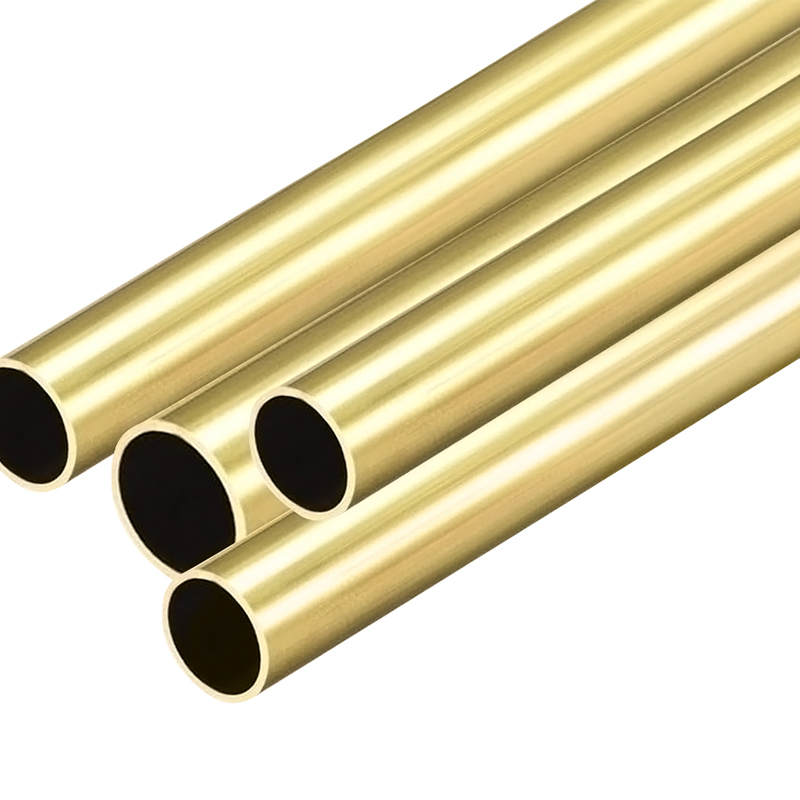
El latón es una aleación de cobre y zinc. Tiene un buen procesamiento y propiedades mecánicas, por lo que se usa ampliamente en la fabricación de tubo...
Ver detalles
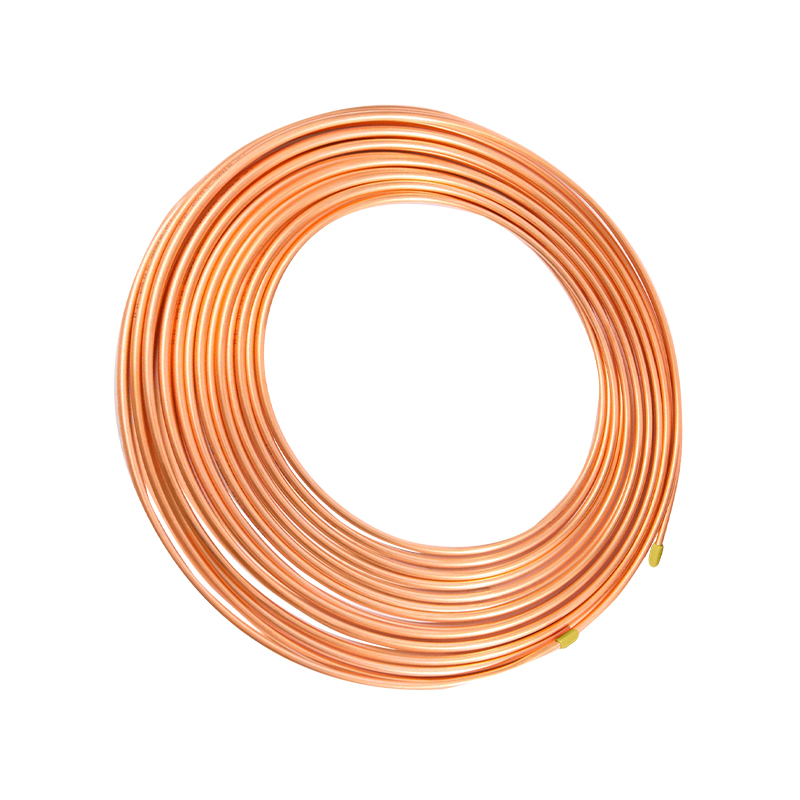
El tubo capilar de cobre generalmente se fabrica mediante mecanizado de precisión, y su precisión dimensional puede alcanzar una milésima de pulgada. ...
Ver detalles
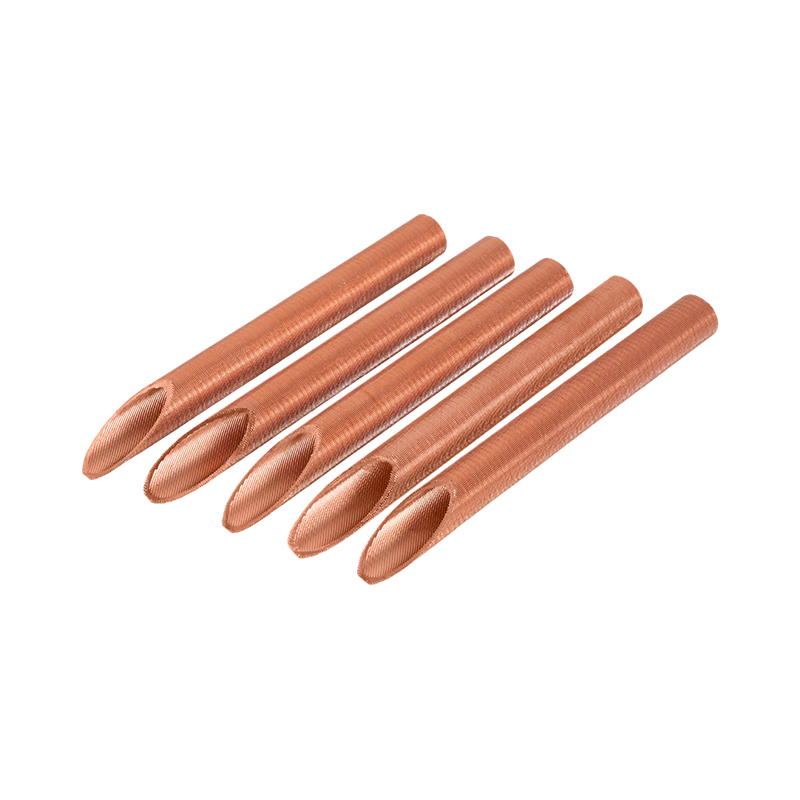
El tubo de cobre del condensador adopta un diseño patentado desarrollado independientemente por la compañía, y los extremos de las aletas están provis...
Ver detalles
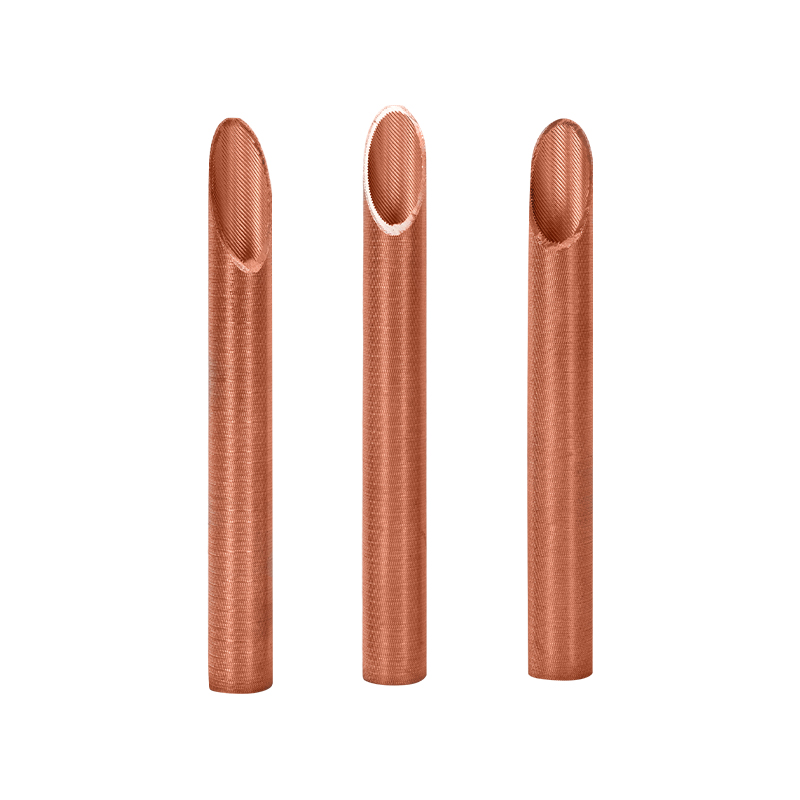
El tubo del evaporador de cobre adopta un diseño de aleta único, y las aletas externas están equipadas con canales interconectados especialmente diseñ...
Ver detalles
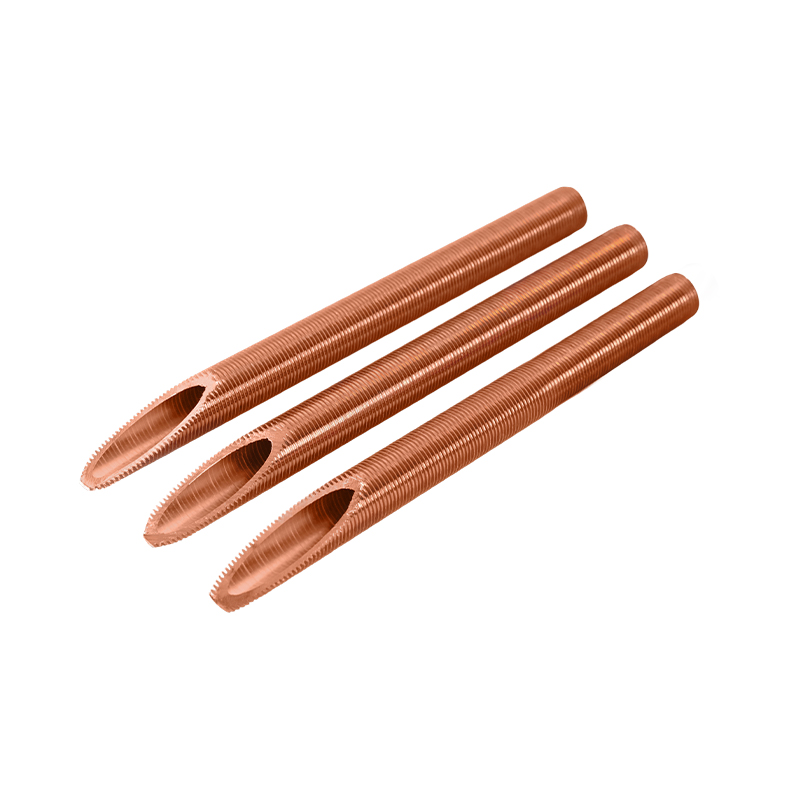
El tubo de cobre de aleta es un elemento de intercambio de calor altamente eficiente. Su característica estructural es que se forman aletas uniformes ...
Ver detalles